Bradwell Abbey, (technically a priory as it had no Abbot, but known locally as Bradwell Abbey), one of the most significant local historic landmarks, was established around 1154 by Meinfelin, Lord of Wolverton, who donated part of the manor land beyond the brook to support its creation. The Benedictine priory, under the jurisdiction of Luffield Abbey, followed the typical monastic life: regular prayer, manual labour, and farming. Though spiritually devoted, the priory was never wealthy. Aside from the initial land gift, it gained little else, though it held rights to several churches including those in Padbury, Stoke Hammond, and Chalfont St Giles. Over time, some of these were transferred to the bishop of Lincoln.
Bradwell Abbey never developed into a hostelry, unlike many religious houses, due to the establishment of Stony Stratford nearby around 1200. With inns in Stratford available, pilgrims and travellers bypassed Bradwell. Records of the priory’s leadership are sparse, listing a few priors from the late 12th century into the early 15th century. By the time of the Black Death in 1349, the priory was weakened by the loss of monks, including its Prior, William de Loughton. Reports by 1361 described the buildings in disrepair.
Despite its poverty, Bradwell Abbey maintained a reputation for piety and discipline. One monk from St Albans even requested to retire there for its simplicity. The Bishop of Lincoln, in the early 15th century, gave it a favourable inspection, only noting the small number of monks.
By the early 1500s, monastic life was declining. In 1524, Bradwell Abbey’s lands and modest income were granted to Cardinal Wolsey to help fund Christ Church College, Oxford. Its income at the time was just over £47 per year.
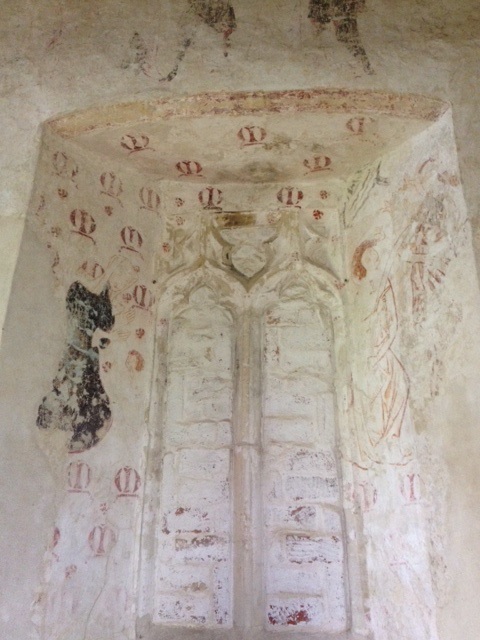
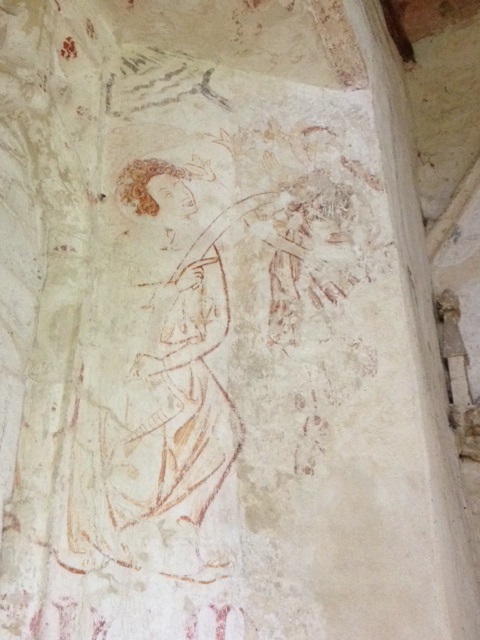
Today, Bradwell Abbey is preserved as the home of the Milton Keynes City Discovery Centre. It serves as an educational resource for students and planners studying urban development. Historic buildings such as the farmhouse, malt house, chapel and ancient fish ponds still surround the site. These ponds, once vital to monastic life, now support local wildlife, including the protected great crested newts. Bradwell Abbey continues to serve the community in new and meaningful ways.